Hey guys! In this post, I’ll be sharing with you the major muscle groups that are present in the body and also their functions.
Actually, there are over 600 muscles in the body. But basically, there are three types of muscles. They are:
• Cardiac muscles- They are the muscles that control the heart
• Smooth muscles- They control involuntary functions like constricting the blood vessels
• Skeletal muscles- These are the ones we target at the gym and they help the body move. They are attached to bones in the body.
So, mainly, I’ll be talking about SKELETAL MUSCLES.
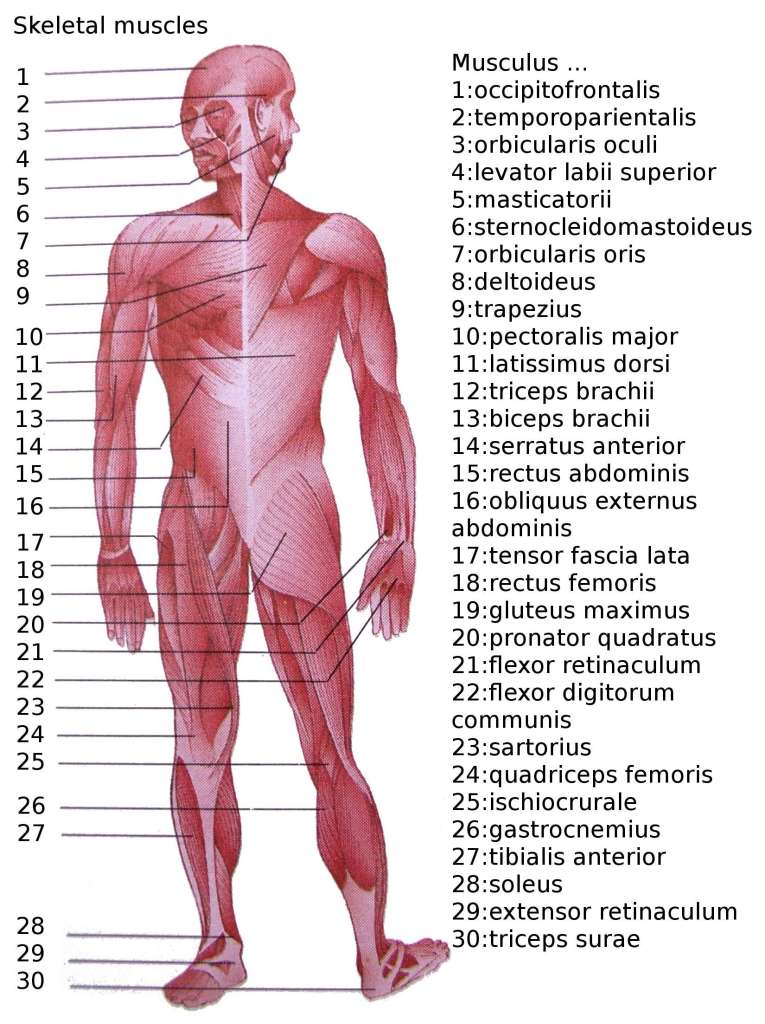
SKELETAL MUSCLES
There are quite a number of skeletal muscles but I’ll be talking about these six major muscle groups:
• Abdominal muscles (Abs)
• Chest muscles (pectorals)
• Arm muscles
• Leg muscles
• Shoulder muscles
• Back muscles
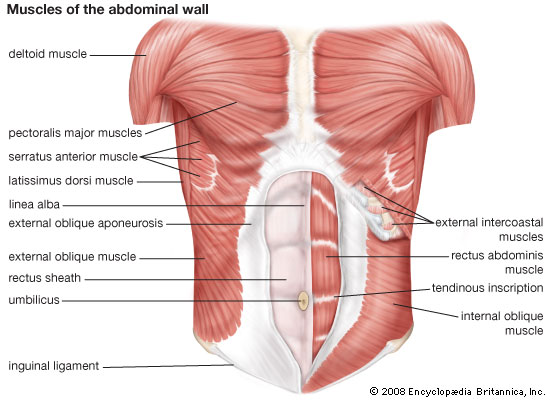
ABDOMINAL MUSCLES
They are:
– Transverse abdominis: Helps to stabilize the trunk and maintain internal abdominal pressure.
– Rectus abdominis: It’s called the ‘six packs’. It flexes the trunk anteriorly. Also, working with other abdominal muscles, it helps in activities such as forced breathing, defecation and so on.
– External oblique muscles: it allows the trunk to twist e.g. left external obliques contracts to turn the body right
– Internal oblique muscles: They work in opposite way to the external obliques. It helps to twist the trunk.
The CORE MUSCLES create a foundation for all activities such as bending, sitting, exercising etc.
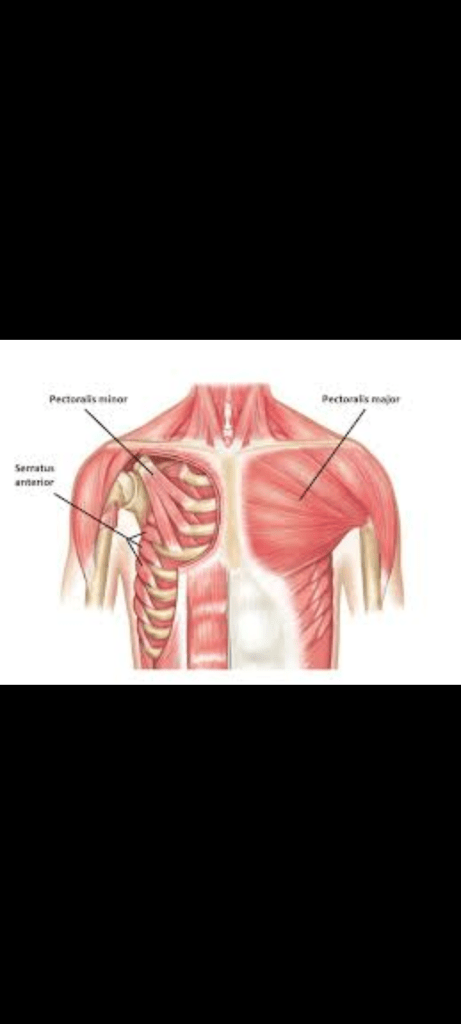
CHEST MUSCLES
They are:
– Pectoralis major: It helps in flexion and adduction and also moves the shoulder joint in four distinct directions and also keeps the arm attached to the body.
– Pectoralis minor: Helps in stabilization, depression (pulling down), abduction or protraction (spreading), internal rotation and downward rotation of the scapula.
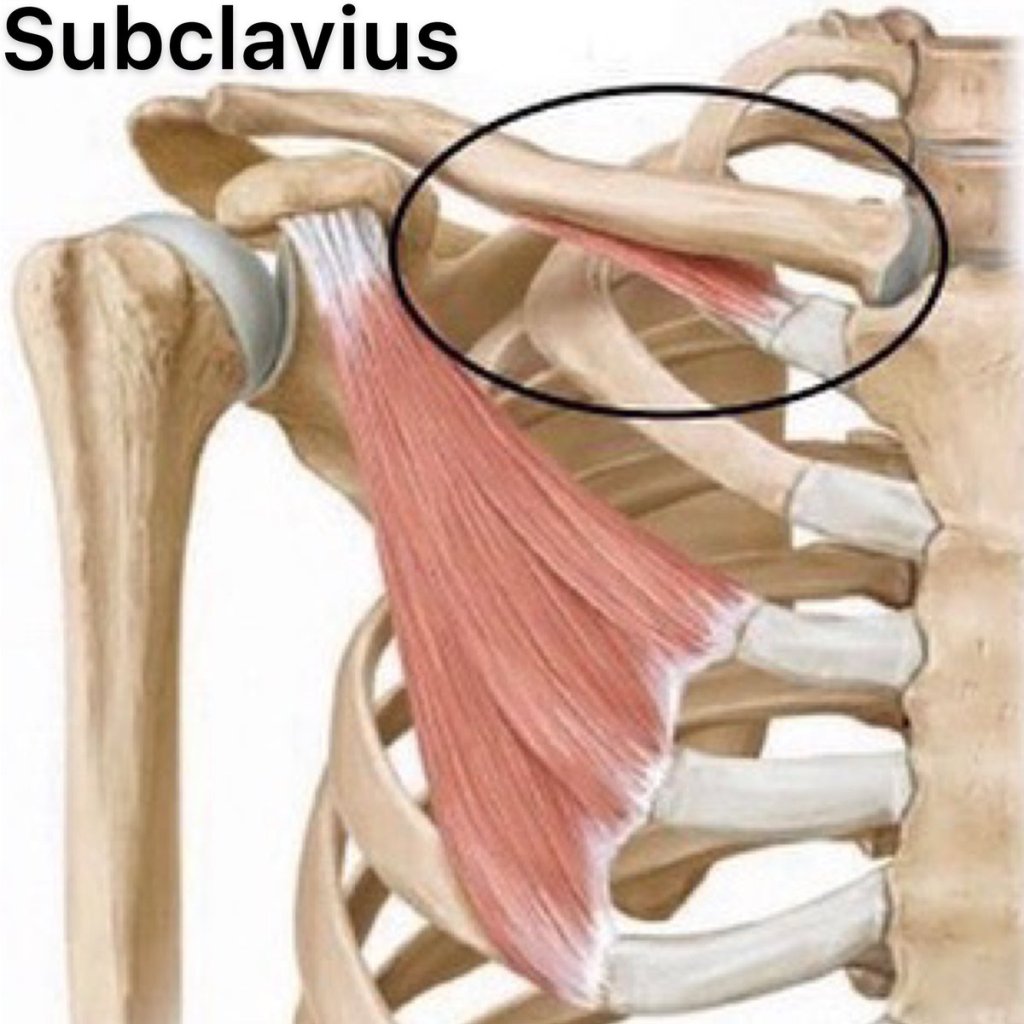
– Subclavius: Mainly, it stabilizes the clavicle at the sternoclavicular joint during shoulder and arm movement.
– Serratus anterior: Its total contraction leads to an anterolateral movement of the scapula along the ribs. Pull of the inferior part at the lower scapula, the shoulder joint is temporarily shifted which enables the arm to be lifted above 90° (elevation).
ARM MUSCLES
They are:
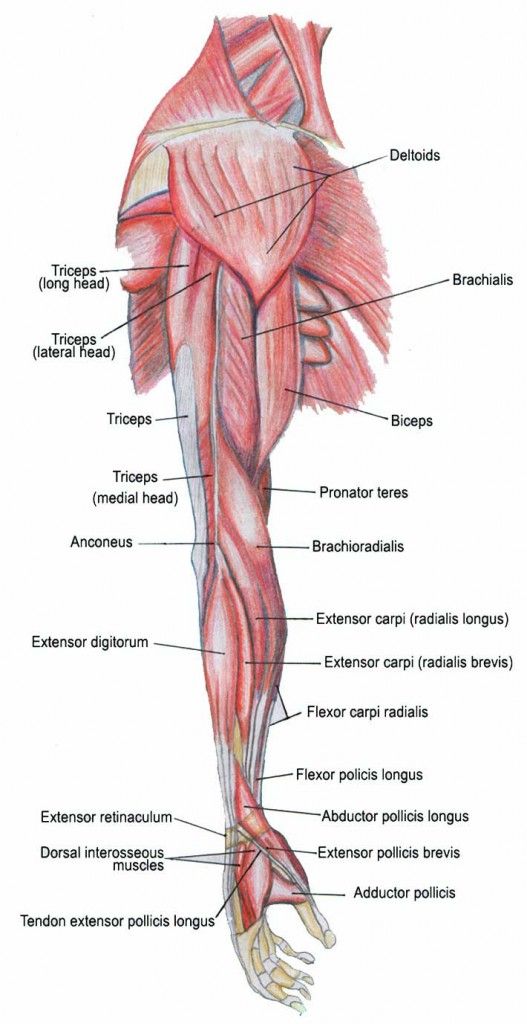
– Biceps: It’s main functions are flexion and outward rotation. It also helps in abduction and adduction.
– Triceps: Extension of the forearm at the elbow joint and its long head helps in extension and adduction of the arm at the shoulder joint.
– Forearm extension: Helps to produce extension at the wrist and fingers.
– Forearm flexors: Flexes the distal interphalangeal joints of the fingers. It also flexes at metacarpophalangeal joints and at the wrist.
LEG MUSCLES
They are:
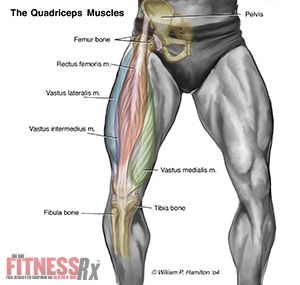
– Quadriceps: It helps to extend the knee joint and to flex the thigh at the hip joint.
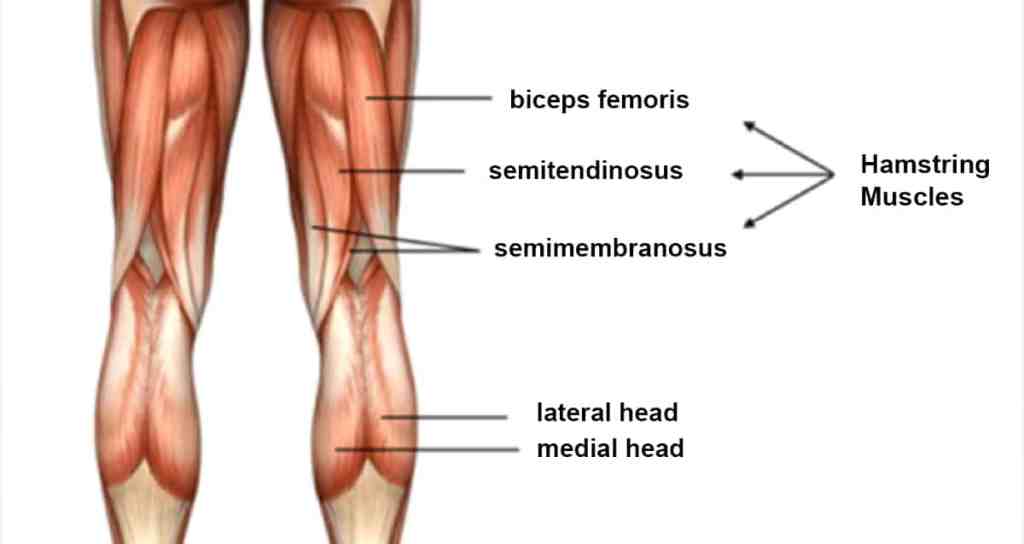
– Hamstrings: Helps in knee joint flexing and to extend the hip to enable walking, running, climbing etc.
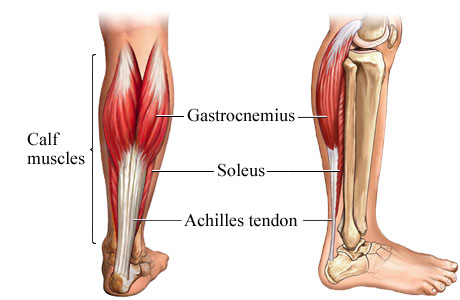
– Calf muscles: Helps in plantarflexion of the foot and ankle. They are used mainly for running and jumping.
NOTE: Achilles tendon is probably the most important in terms of mobility
SHOULDER MUSCLES
They are:
– Subscapularis
– Supraspinatus
– Infraspinatus
– Teres minor muscles
We also have the DELTOIDS AND TRAPEZIUS (The trapezius is mainly found in the the back region, only a little part of it is around the shoulders).
The shoulder has about eight (8) muscles in all. They form the outer shape of the shoulder and the underarm and they aid in a wide range of movement and help protect and maintain the main shoulder joint called GLENOHUMERAL JOINT.
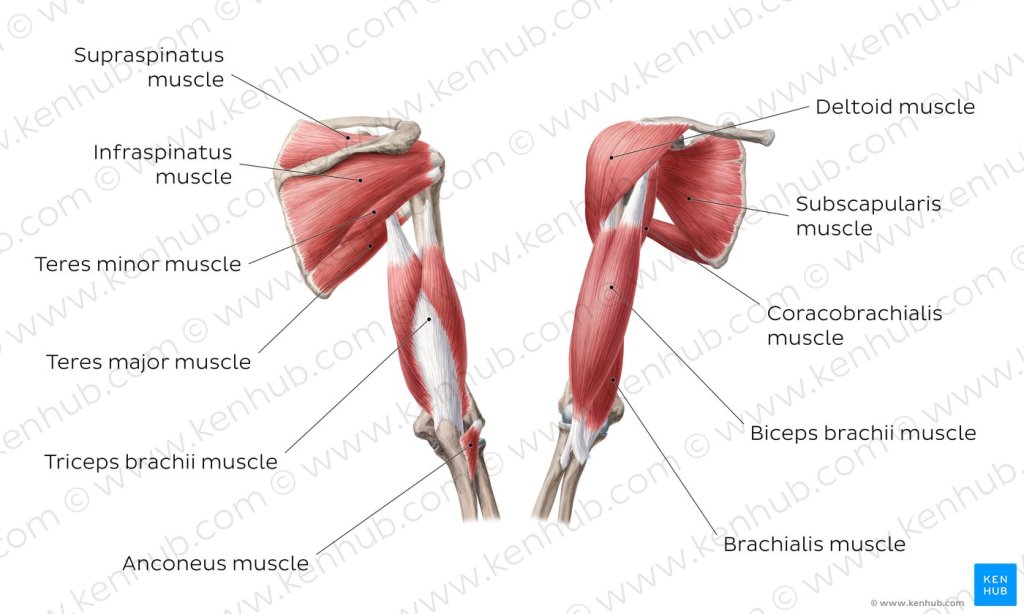
BACK MUSCLES
The back consists of muscles that help to move:
– The head: Sternocleidomastoid, semispinalis capitis, splenius capitis and longissimus capitis
– The shoulders: Trapezius, levator scapulae, rhomboideus major and minor
– The upper arms: Latissimus dorsi, Supraspinatus and Infraspinatus, Teres major and minor
– The spine: Sacrospinalis, spinalis and iliocostalis, longissimus and quadratus lumborum
– The upper legs (thigh): Iliopsoas and psoas minor.
So, basically, there are many more muscles in the body, but the above ones are like the most important skeletal muscles that can be built.
So, in the next post, I’ll be sharing with you exercises that help to build each muscle groups, especially WITHOUT equipment i.e. at home. Well, I’ll add a little bit of exercises that you can do in the gym with equipment.
Don’t forget to like, share and comment.
Merci 💪
 Lekis Fitness