The heart is one of the most vital organs in the body. The heart pumps blood, helps circulate hormones, maintains blood pressure, amongst many other functions.
Exercise is very beneficial to the cardiovascular system because it:
• helps to unclog clogged vessels, which helps to prevent possible atherosclerosis
• strengthens the cardiac muscles, which optimizes heart functions
• lowers high blood pressure, thereby preventing risk of hypertension
• reduces cholesterol
• It also reduces the risk of diabetes
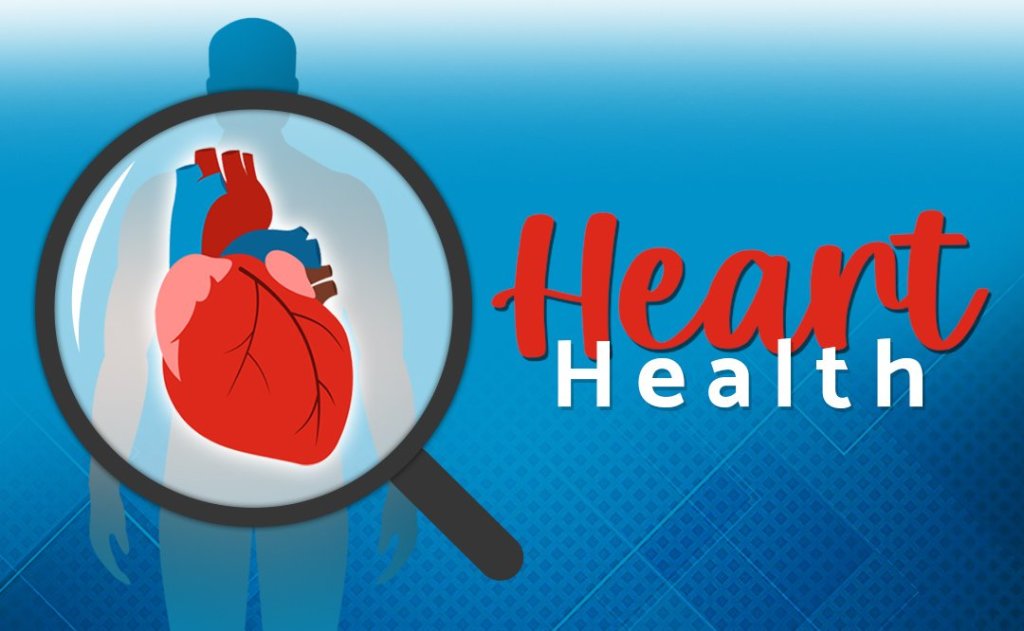
You may not know it, but exercising is one of the best ways to protect and improve your heart health. Researches have shown beyond doubt that exercising improves the heart condition.
An average man who exercises is at a much lower risk of having heart diseases like myocardial infarction (heart attack) and atherosclerosis, compared to one who doesn’t exercise.
Basically, there are two major forms of exercise that help the heart:
• Aerobics
• Strength Training
• AEROBICS
Aerobics (or cardio) are exercises that get the heart beating very fast. They really engage the heart and get it pumping blood faster than usual and you also notice increased breathing. Incorporate moderate or vigorous intensity aerobics into your daily activities.
Moderate intensity are less intense. You don’t completely run out of breath even though your breathing and heart rate increase.
It is recommended for the elderlies, those who are managing or recovering from a heart disease or surgery and those who have been living a sedentary lifestyle for too long, that is, those who have a low fitness level.
Examples of moderate intensity aerobics include: brisk walking (on a flat surface), jumping jacks, slow jogging, dancing, water aerobics, etc.
Vigorous Intensity are more intense, they get you breathing hard, increased heart rate and even much sweating.
It’s recommended for the younger ones, those who are trying to lower their fat and cholesterol level, those who are trying to prevent heart diseases, athletes and basically everyone’s who’s healthy enough to engage in it.
Examples include: running, heavy gardening, jump rope, rowing, brisk walking on elevated plane, burdened hiking, etc.
How Much Of Aerobics Should You Engage In?
CDC (Centers for Disease Control and Prevention) recommends that, “Each week, adults should aim for 150 minutes of moderate-intensity activity, or 75 minutes of vigorous-intensity activity, or an equivalent combination. You don’t have to do it all at once. You can spread your activity out during the week and break it up into smaller chunks of time. It could be 30 minutes a day, 5 days a week.”

• STRENGTH TRAINING
Strength training, also called resistance training involves engaging the muscles to contract to an external resistance. It targets the muscles of the body, depending on which resistance exercises you do.
But then, researches have shown that even strength training can be very effective for the heart health, even as effective as aerobic exercises or cardio for improving the heart health. But it’s important to understand that strength training focuses more on body composition in that it helps to get rid of body fat, build lean muscles, increase muscular strength and muscular endurance.
Everyone is advised to engage in strength training, depending on your fitness level, age, underlying medical conditions, etc. Ensure you contact your doctor if you have any underlying health issue. Also, contact a personal trainer to help you draft out a perfect workout plan that suits you.
Examples of strength training exercises are push-ups, weightlifting, training with resistance bands, squats, etc.
How Much Of Strength Training Exercises Should You Do?
According to American Heart Association, we should, “Add moderate- to high-intensity muscle-strengthening activity (such as resistance or weights) on at least 2 days per week.”

Meanwhile, it’s important to understand that aside aerobics and strength training, stretches and flexibility exercises are also very important. They don’t directly help the heart, but they provide a basis for the exercises that help the heart to be properly done which will in turn produce maximum effects. For instance, getting the joints amd body flexible will enable one to properly perform exercises like walking, jogging, hip hinge, and so on. So, incorporate flexibility exercises (like pilates) and stretches into your workout routine for optimal results.
TAKEAWAY
As important as exercise is, you have to complement the efforts you put into running, lifting, stretching with healthy eating. May it not be heard that you exercise so well, but you eat so much sugar and processed foods. It’d be a real disaster. Eat well, exercise well and live a long and healthy life.
BOTTOM LINE
Exercises are a perfect choice if you want to improve your heart health. Involve in both aerobics and strength training exercises, with intensities that are suitable for you. Include stretches and flexibility exercises in order to get even better results. Don’t forget to also eat healthy!
That’s it on this article. How much has exercise helped your heart health? What form of exercise do you enjoy engaging in the most? Please, drop your comments in the comment section. Also, share to everyone who needs to read this.
Merci 💪
 Lekis Fitness